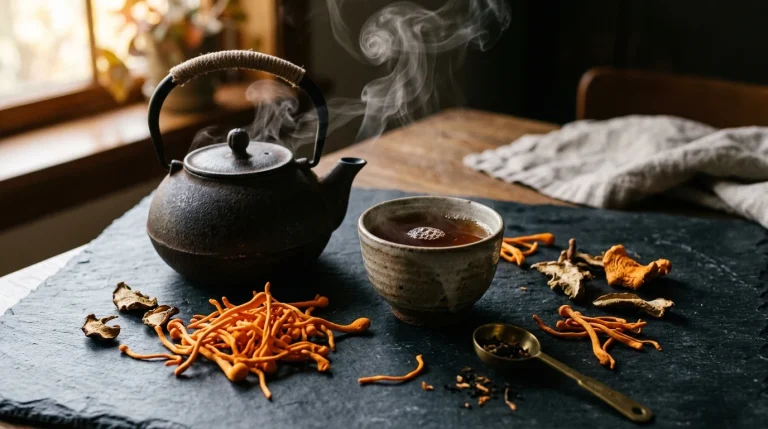
What Is Echidna Tea Made Of? Traditional Botanicals, Herbs, and Health Benefits
✨ This article was AI edited. Editorial responsibility: OriginalEating.com.
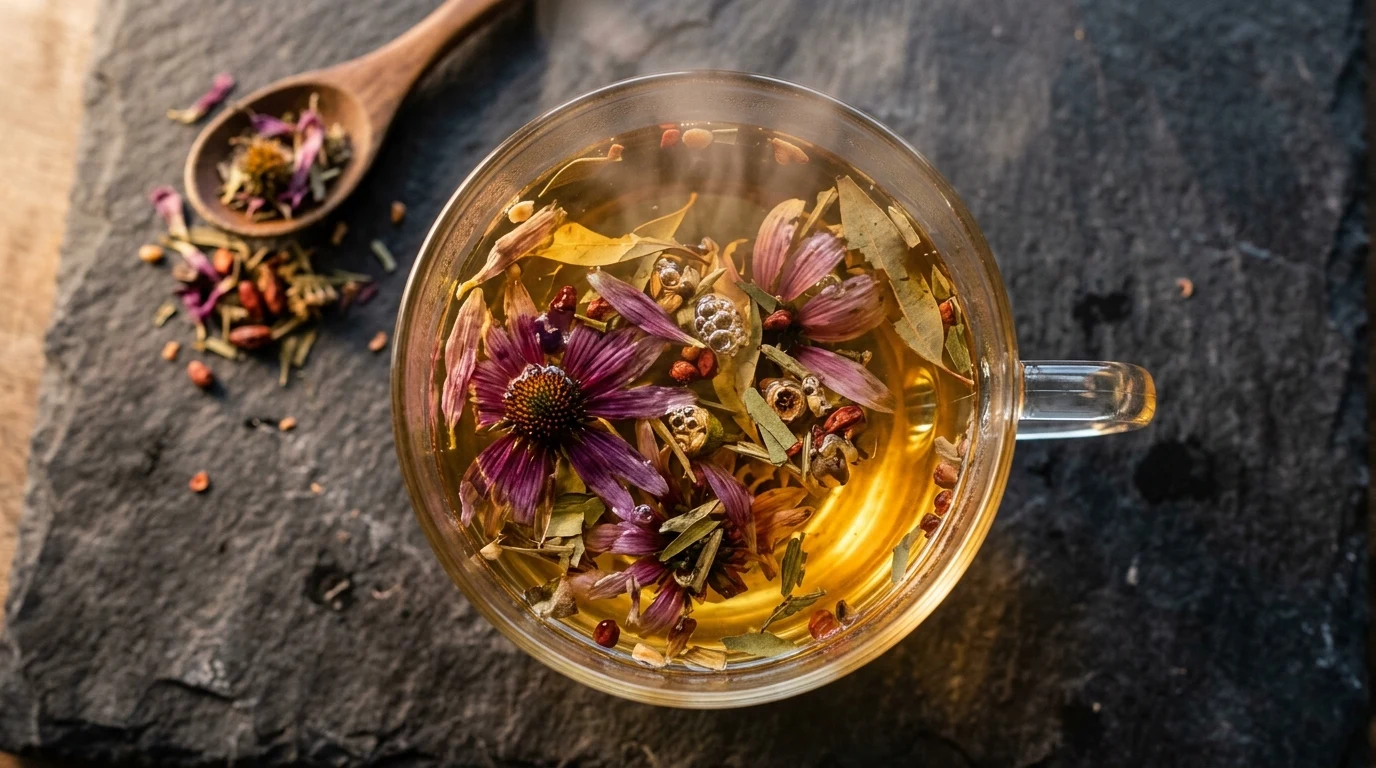
Echidna tea (often referred to phonetically in herbal lore alongside Australian bush botanicals or regional echinacea tisanes) is an artisanal herbal infusion traditionally crafted from a targeted synergy of immune-modulating purple coneflower (Echinacea purpurea), native lemon myrtle (Backhousia citriodora), wild-harvested aniseed myrtle, organic ginger root, and bioflavonoid-dense Australian wild herbs designed to stimulate lymphatic circulation and soothe upper respiratory pathways.
Across traditional naturopathic botanical circles and herbal apothecary culture, enthusiasts frequently encounter regional and colloquial naming variations. Whether searchers are investigating indigenous Australian bush remedies named after the iconic spiny monotreme, or decoding phonetic crossovers with traditional Echinacea immune tonics, understanding the exact plant anatomy, volatile essential oils, and active alkylamides in this botanical formulation is essential for maximizing wellness outcomes.
Contents
- Botanical Anatomy: Dissecting the Core Ingredients of Echidna Herbal Formulations
- Bioactive Mechanisms: How the Phytochemicals Interact in Your Body
- How to Source and Craft Traditional Echidna Tea at Home
- Safety Profiles, Contraindications, and Usage Recommendations
- Frequently Asked Questions About Echidna Tea
Botanical Anatomy: Dissecting the Core Ingredients of Echidna Herbal Formulations
Unlike conventional single-origin black or green teas derived from Camellia sinensis, authentic echidna herbal infusions are naturally 100% caffeine-free tisanes formulated through medicinal phytochemistry. The synergistic balance relies on five distinct botanical categories:
| Botanical Component | Plant Part Harvested | Primary Active Compounds | Therapeutic Function & Taste Profile |
|---|---|---|---|
| Purple Coneflower (Echinacea) | Aerial aerials, petals, roots | Alkylamides, caffeic acid derivatives (cichoric acid), polysaccharides | Immunostimulation, tingling mouthfeel, earthy floral note |
| Australian Lemon Myrtle | Whole sun-dried leaves | Citral (90%–98% concentration), lutein, antioxidants | Antimicrobial defense, crisp citrus aroma, calming digestion |
| Organic Ginger Root | Dried cracked rhizome | Gingerols, shogaols, zingerone | Peripheral circulation enhancement, thermogenic spice |
| Aniseed Myrtle | Crushed rainforest foliage | Anethole, methyl chavicol | Respiratory expansion, gentle natural liquorice sweetness |
| Wild Rosehips | De-seeded pseudo-fruits | L-ascorbic acid (Vitamin C), lycopene, polyphenols | Cellular antioxidant protection, tart ruby body |
Bioactive Mechanisms: How the Phytochemicals Interact in Your Body
1. Innate Immune Cell Activation via Alkylamides
The distinctive tongue-tingling sensation experienced when sipping quality echidna and echinacea formulations is directly caused by alkylamides. These lipophilic constituents bind selectively to Cannabinoid Receptor Type 2 (CB2) receptors located throughout immune tissue and monocytes. This interaction stimulates phagocytosis—the biological mechanism whereby white blood cells engulf and dismantle invading viral and bacterial antigens.
2. Upper Respiratory Decongestion and Antimicrobial Shielding
Lemon myrtle delivers the world’s highest naturally occurring concentration of citral—surpassing conventional lemons and lemongrass by more than 30-fold. In hot water infusions, these volatile terpenes vaporize and are inhaled directly into nasal and bronchial pathways, exerting natural antiseptic, fungistatic, and mucosal-thinning properties.
3. Gastrointestinal Soothing and Synergistic Absorption
Strong herbal infusions can occasionally cause mild gastric friction on an empty stomach. The strategic incorporation of slow-dried ginger rhizome supplies pungent gingerol compounds that stimulate gastrointestinal motility, increase enzyme production, and enhance the systemic bioavailability of co-ingested botanical nutrients.
How to Source and Craft Traditional Echidna Tea at Home
For purists desiring an unadulterated apothecary brew free from artificial flavorings or bleaching agents, assembling raw whole-plant botanicals provides superior therapeutic potency:
Artisanal Apothecary Master Recipe (1 Liter Yield):
- Dried Organic Echinacea Root & Flowers: 2 generous tablespoons (approx. 8–10g)
- Crushed Lemon Myrtle Leaves: 1 tablespoon (approx. 4g)
- Cracked Dried Ginger Rhizome: 1 teaspoon (approx. 3g)
- Wild Rosehip Flakes: 1 teaspoon (approx. 3g)
- Aniseed Myrtle or Crushed Star Anise: 1/2 teaspoon
Step-by-Step Brewing Protocol:
- Water Quality and Temperature: Utilize spring water or multi-stage filtered water. Bring to a rolling boil at 212°F (100°C). Unlike delicate green teas that burn above 175°F, dense woody rhizomes and fibrous herbal leaves require full heat to rupture cellular walls.
- Decoction vs. Infusion Technique: Place the echinacea roots and ginger pieces into a saucepan with boiling water and simmer gently on low heat for 5 minutes (a gentle decoction).
- Aromatic Steeping: Remove saucepan from direct heat, add the lemon myrtle leaves, aniseed myrtle, and rosehips. Cover tightly with a lid to trap evaporating volatile essential oils. Allow to steep undisturbed for 10 to 12 minutes.
- Straining and Sweetening: Strain through a fine stainless-steel mesh sieve into a ceramic or pre-warmed glass mug. Sweeten if desired with raw local wildflower honey, which introduces antimicrobial enzymes that work in harmony with the herbal matrix.
Safety Profiles, Contraindications, and Usage Recommendations
Echidna herbal tea is exceptionally well-tolerated by adults and contains zero stimulating caffeine, making it suitable for evening consumption. However, clinical herbalism recognizes specific precautions:
- Asteraceae Allergy Considerations: Individuals allergic to ragweed, marigolds, daisies, or chrysanthemums may experience hypersensitivity to echinacea.
- Autoimmune Conditions: Due to pronounced immune-stimulatory properties, chronic daily consumption for longer than 6 to 8 consecutive weeks is not recommended for patients diagnosed with systemic autoimmune disorders (such as lupus, multiple sclerosis, or rheumatoid arthritis) without qualified physician oversight.
- Pregnancy and Lactation: While culinary culinary herbs like lemon myrtle are safe in dietary amounts, concentrated therapeutic doses of medicinal roots should always be evaluated with healthcare professionals.
Frequently Asked Questions About Echidna Tea
Does echidna tea actually contain any animal products?
No, echidna tea is 100% plant-based and vegan. The moniker is either an affectionate tribute to native Australian wildlife reflecting indigenous bush herbs (like lemon myrtle and mountain pepper), or an informal phonetic colloquialism for traditional Echinacea herbal tisanes.
What does echidna herbal tea taste like?
It possesses a multi-layered sensory profile: upfront bright citrus brightness from lemon myrtle, followed by warming sweet ginger spice, earthy floral undertones, and a subtle numbing or tingling sensation on the tongue from active alkylamides.
Can I drink echidna tea before bedtime?
Yes. Because authentic echidna herbal formulations contain zero Camellia sinensis tea leaves, they are completely caffeine-free. The soothing citrus and ginger elements make it an excellent restorative evening beverage to relieve fatigue and congestion.
Get our latest guides, news, and insights highlighted in your Google Search & AI Overviews.