
Kombucha Tea With Alcohol: Everything You Need to Know About Hard Kombucha
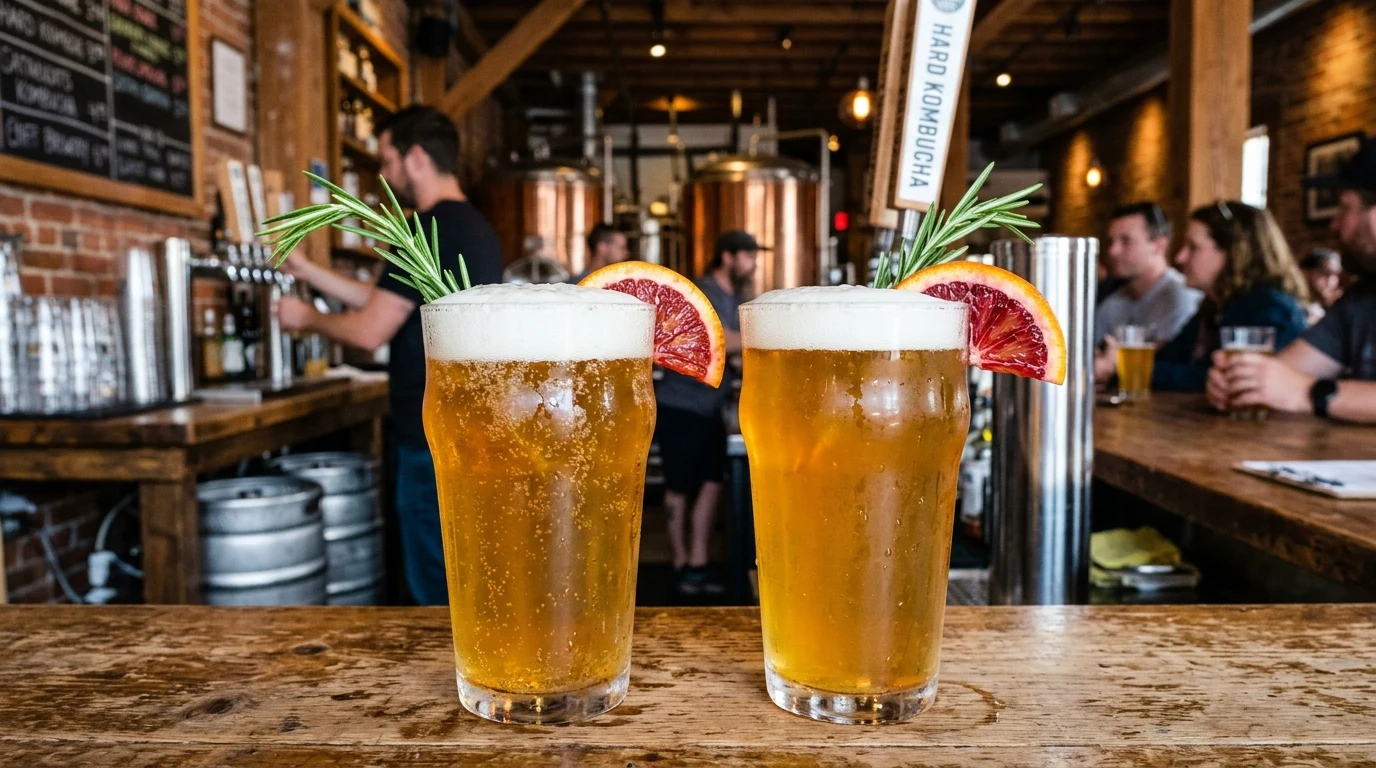
✨ This article was AI edited. Editorial responsibility: OriginalEating.com.
Kombucha tea with alcohol (widely marketed as craft hard kombucha) is a naturally fermented alcoholic beverage brewed by subjecting traditional probiotic sweetened tea to a secondary anaerobic fermentation with specialized brewers’ yeast, producing an effervescent, gluten-free alcoholic drink ranging between 4.0% and 8.5% ABV with low residual sugar and distinct organic acids.
As health-conscious consumers seek refreshing alternatives to heavy malt beers, high-sugar artificial seltzers, and high-calorie ciders, kombucha tea with alcohol has skyrocketed from a niche coastal craft trend into a global beverage phenomenon. But how does hard kombucha differ from the bottles in your everyday grocery produce aisle? Does it still contain live probiotics? And how does the body metabolize alcohol delivered inside an organic acid matrix?
Contents
Non-Alcoholic Kombucha vs. Hard Kombucha: Legal & Chemical Thresholds
Every bottle of fermented kombucha contains trace amounts of ethanol due to natural yeast activity. Understanding the boundary between non-alcoholic health tonics and alcoholic craft brews is regulated strictly under food and beverage law:
| Category Attribute | Traditional Grocery Kombucha | Hard Kombucha (Alcoholic) |
|---|---|---|
| Legal ABV Limit | Must remain strictly below 0.5% ABV | Regulated alcoholic beverage: 4.5% – 8.5% ABV |
| Age & Retail Requirements | All ages; sold in general grocery aisles | 21+ ID required; sold in licensed beer/wine departments |
| Fermentation Architecture | Single aerobic open vessel; bacteria dominate | Dual-stage: aerobic primary + anaerobic airlocked secondary |
| Caloric & Carbohydrate Density | 30–60 calories per 12oz; 6–12g carbs | 90–140 calories per 12oz; 0–3g carbs (highly attenuated) |
| Sensory Profile | Tangy, vinegary, tart fruit sweetness | Crisp, dry, cider-like effervescence, subtle botanicals |
How Kombucha Tea With Alcohol is Manufactured
Creating hard kombucha is an art of microbiological control. If you simply seal a standard kombucha batch with added sugar, the wild SCOBY bacteria will produce unpredictable flavors and excess vinegar. Commercial craft brewers utilize a disciplined two-phase methodology:
Step 1: The Base Tea Fermentation
Organic whole-leaf black, green, or white tea is steeped and sweetened with organic cane sugar or agave. A robust primary SCOBY culture ferments the tea for 7 to 10 days, generating beneficial organic acids (glucuronic, acetic, and gluconic acids), antioxidants, and polyphenols while driving the pH down to an optimal acidic range of 3.2–3.6.
Step 2: Yeast Inoculation & Secondary Enclosure
The liquid is separated from the bacterial SCOBY mat and transferred into sealed stainless steel conditioning tanks. High-attenuation brewing yeasts (typically selected strains of Saccharomyces cerevisiae or Saccharomyces bayanus) are pitched alongside an additional fermentable sugar wash. Under strict anaerobic (zero oxygen) parameters, the yeast consumes the sugars, producing carbon dioxide and ethyl alcohol while the acid-producing bacteria enter temporary dormancy.
Step 3: Botanical Infusion & Filtration
Once the desired ABV is reached, the liquid is cold-crashed and infused with whole cold-pressed botanical juices, citrus peels, and aromatic herbs (such as lavender, ginger, passionfruit, or mint). The beverage is filtered to remove dead yeast lees, gently carbonated, and packaged into cans or bottles.
Health & Wellness Realities: The Science Behind the Sip
Is kombucha with alcohol actually “healthy”? Dissecting marketing claims versus physiological science reveals a compelling, balanced truth:
- Gluten-Free by Nature: Unlike traditional beers crafted from malted barley, wheat, or rye, hard kombucha is made entirely from tea leaves and cane sugar, making it naturally 100% gluten-free and gentle on those with celiac disease or gluten intolerance.
- Near-Zero Residual Sugar: Because brewing yeasts ferment the secondary sugar wash almost completely dry (attenuation rates exceeding 95%), quality hard kombuchas contain virtually no simple sugars, preventing the insulin spikes and severe dehydration associated with sweet cider or cocktails.
- Organic Acid Presence: Glucuronic and gluconic acids present in the tea base are renowned for binding to environmental toxins and metabolic waste in the liver, assisting natural elimination processes.
- Alcohol Remains Alcohol: Consumers must remember that alcohol is still a toxin processed by the liver. While hard kombucha represents a vastly superior, additive-free, and antioxidant-rich alternative to synthetic seltzers, moderation remains vital.
Top Pairing Suggestions and Serving Etiquette
To experience the full aromatic bouquet of hard kombucha:
- Glassware: Serve chilled between 38°F and 44°F (3°C–7°C) in a stemmed tulip glass or white wine glass to concentrate volatile tea terpenes and fruit aromas.
- Food Pairings: The crisp acidity cuts cleanly through rich, fatty foods. It pairs spectacularly with grilled salmon, authentic street tacos, artisanal cheese boards, and spicy Thai or Vietnamese curries.
Frequently Asked Questions About Hard Kombucha Tea
Can kombucha tea with alcohol make you drunk?
Yes. Commercial hard kombucha contains between 4.5% and 8.5% ABV—comparable to or higher than standard craft beers and hard seltzers. Consuming two or three 12oz cans will produce standard alcohol intoxication, and you should never drive after drinking hard kombucha.
Does hard kombucha cause hangovers?
Hard kombucha contains zero artificial additives, is free from inflammatory gluten, and has virtually no residual sugar, which significantly reduces hangover severity compared to sugary cocktails or beers. However, overconsumption of any alcohol will cause dehydration and hangover symptoms if consumed in excess.
Do you have to keep hard kombucha refrigerated?
Yes. Because authentic craft hard kombucha is unpasteurized to preserve live probiotics and delicate botanical flavors, keeping cans or bottles chilled prevents warm ambient yeast reactivation, which could alter the flavor profile and generate excess internal can pressure.
Get our latest guides, news, and insights highlighted in your Google Search & AI Overviews.


